
The phrase “quid pro quo” is all over the TV, radio, and internet these days. It’s a phrase that’s been used for literally hundreds of years (hence the Latin) and lots of people are acting like it’s unusual—something that only professors or lawyers would use. It’s not. It literally means “what for what” or “something for something” or “give and take.” My old Webster’s dictionary says that it’s something given or received for something else. If we put it that way, there’s nothing fascinating about it.
We use quid pro quo’s all the time. Everything from “I’ll take out the trash if you make the bed” to buying a car (money in return for a car) to the Louisiana Purchase when the US paid France $15 million (that was in 1803 dollars!!) for 828,000 square miles of land. Since then, hundreds of quid pro quo’s had been part of the foreign policies in the US, and most other countries. One quid pro quo of tremendous significant was the destroyers-for-bases deal of 1940.
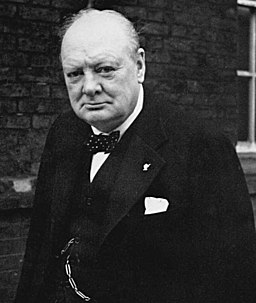
After World War I, Congress passed a Neutrality Act in 1935 which banned the sale of arms to any belligerent nation. Fast forward to September 1939 when Germany went to war again. Initially it seemed that Hitler’s Wehrmacht was only interested in Central and Northern Europe. Those not involved actually called it the “Phony War”—until May 10, 1940, when Germany attacked Western Europe, crushing the Netherlands, Luxembourg, and Belgium. Then they turned toward France, which surrendered on June 22, 1940. Shortly before the French capitulated, 800+ British boats of every imaginary type plucked 338,000 members of the British Expeditionary Forces, along with thousands of French, Belgian, Polish and Dutch soldiers, off the beaches of Dunkirk. (If you don’t know much about this, watch the film Dunkirk. Fantastic!! ) Yet while they managed to get the men to Britain, they lost an astonishing amount of materiel, and even worse, six destroyers went to the bottom, and 19 were badly damaged. Great Britain was on her own, and needed help!
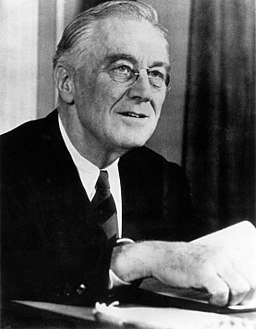
Prime Minister Winston Churchill and President Franklin Roosevelt already had a good working relationship, and on May 20, shortly after Churchill became PM, he wrote to FDR saying that Britain could really use help from the US, particularly regarding shipping, and asked if it would be possible to get 40 or 50 World War I destroyers. Little came of it. At the end of July, Churchill wrote again. Not only was England basically on her own, but now it was clear that Germany was making plans to cross the Channel. (Operation Sea Lion—thankfully the Battle of Britain prevented the cross-channel invasion) It was vital for Britain to have those ships while she repaired the damaged destroyers and ramped up new ships. Churchill also reminded Roosevelt that if Britain fell, it would leave the Americans alone, and it would be much better for the two nations to fight Hitler together.
At the same time that Churchill was asking for help, Roosevelt was running for his third term as President. He had recently pledged not to get involved in any overseas wars unless the US was actually attacked. But he knew that Churchill was right—Hitler had to be stopped, and the further from American shores the better! However, he couldn’t just sent the ships to England—that would clearly violate numerous laws. At the same time, he wanted to start expanding our own military, but many Americans were isolationists to whom he had just given his word not to get involved, and he needed their votes. How to do both?
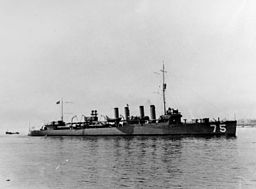
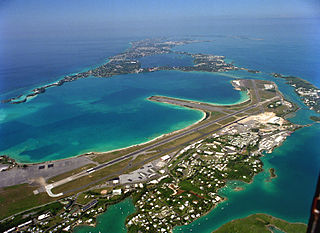
Roosevelt concluded that the way to do what he wanted was another quid pro quo. The US should let the British have the destroyers but in exchange, Britain would lease bases to the Americans. But would it cause a Constitutional problem? Roosevelt turned to the Attorney General, Robert H. Jackson, later Associate Supreme Court Justice and Chief US Prosecutor of the International Military Tribunal at Nuremberg. Jackson advised the President that he could go ahead with the deal because of his authority as Commander in Chief. So, on September 3, 1940, FDR signed the Executive agreement that gave 50 Caldwell, Wickes and Clemson-class World War I destroyers to Britain in return for bases in Newfoundland, Bermuda, the Bahama, British Guinea, Antigua, Jamaica, St. Lucia and Trinidad. Churchill got his destroyers, and FDR got the bases—and despite vocal isolationist opposition, the President went on to have both a third, and ultimately a fourth tern. Over the following 80 years there have been thousands of win-wins (aka quip pro quo’s) between individuals, companies, and nations. Something to think about?
 Historical Lense