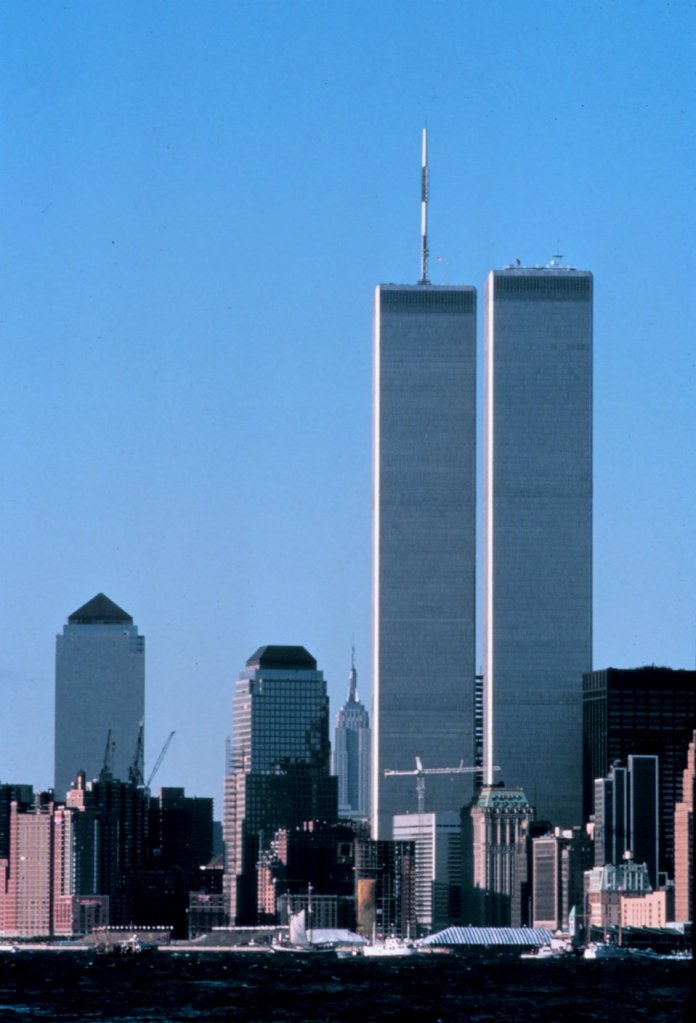
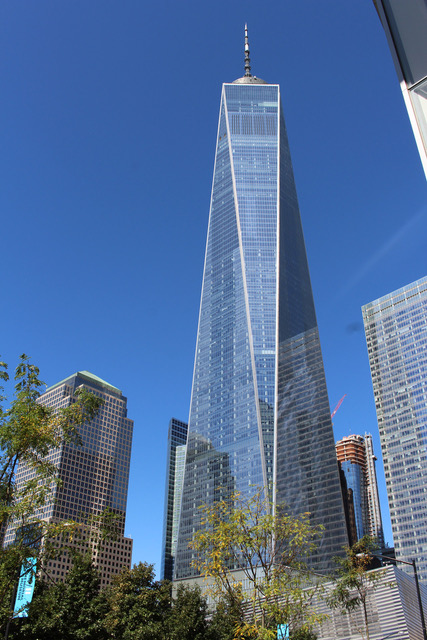
It’s hard to believe that there are adults who were so young that they don’t remember where they were on 9/11. I’d just dropped my daughter off at school and was grading short papers on the Locarno Pact. Her brother was a sophomore in college. He could see the smoke from the Pentagon from the roof of his building. They will tell you that they’ll never forget it. The world truly changed that day. And they are making certain that their children never forget it. It’s tough to look at some of these photos, but if we don’t, they tend to fade away. Some things shouldn’t fade away.
Though a play on the iconic comment in the 1988 Vice-Presidential debate between Dan Quayle and Lloyd Bentsen in which Bentsen commented that Quayle was no Jack Kennedy, there is truth in this comment. President Biden’s catastrophe of leaving thousands of Americans and our allies behind enemy lines, was completely different from President Jefferson’s decision. When diplomacy ground to a halt, and resulted in Americans being taken prisoner, he didn’t dither and make the military leave while US civilians stayed, but ordered Army, Navy and Marine elements to retrieve Americans. And remember that was in 1801-1085, when the US was a fledgling country, not a superpower!
After the American Revolution, trade with Europe was a small but important part of the US economy, and moving into the Mediterranean would expand our commerce. However, the sea lanes in North Africa were not always safe. It was wise to sail under the watchful eye of French or British warships, but that was not always possible. Pirates from Algeria, Tunis, and Tripoli would often seize our commercial vessels, bring them into port, sell the goods, and demand ransom for the crew. In July 1801 four US ships headed by Commodore Richard Dale arrived in Gibraltar and began to convoy US merchant vessels, while American envoys tried to develop treaties with the heads of the various states. Algeria and Tunis started discussions, but the Pasha of Tripoli felt that he was not getting the appropriate attention from the Americans, and declared war.
President Thomas Jefferson
It was clear that four US warships would not be enough, so Jefferson send additional ships, most notably the USS Vixen and USS Philadelphia. In October 1803, the Philadelphia, commanded by Capt. William Bainbridge, pursued several corsairs from Tripoli, but got stuck on some massive hidden boulders. They spent four hours madly trying to dislodge the ship, but ultimately the crew, including 43 Marines, surrendered and were taken prisoner–actually held as slaves. The harbor pilots who knew the area intently re-floated Philadelphia and sailed it into harbor as a prize.
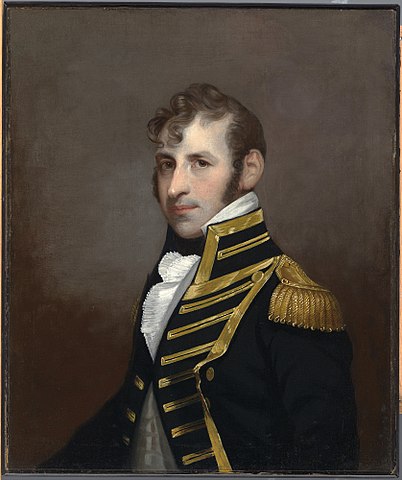
The Americans were enraged. Blockading Tripoli was not enough. On the night of February 16, 1804, Lt. Stephen Decatur with several officer, sailors and Marines, quietly sailed into the harbor in the ketch Intrepid and waited below decks. The following night, they boarded the Philadelphia, set fire to it, and once it was completely ablaze, sailed away leaving the Pasha furious and the ship burning to the ground.
Lt. Stephen Decatur, USN
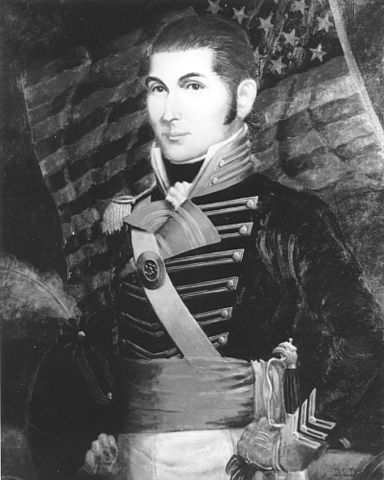
Before the war Yusuf Karamali, the current Pasha, had killed his older brother and drove his next older brother, Hamet, out of Tripoli to Egypt. Both brothers had been more favorable toward the US than Yusuf. Washington wanted to get the rightful heir where he belonged. In November 1804, the US sent William Eaton, a former Captain in the US Army and consular official, Marine Lt. Presley O’Bannon, and six Marines aboard the Argus, to find Hamet. They found him about 100 miles south of Alexandria. Eaton, O’Bannon, the Marines, Hamet and ninety of his cavalrymen, and 38 Greek mercenaries, would march 600 miles west across the desert and met up with the Argus shortly before reaching Derne.
They moved out on March 8, 1805. It ended up taking twice as long as they had expected, and along the way, had everything from problems with camel drivers, near mutinies, to a serious food shortage. By April 15, when they arrived at Bambe, which is near Derne, they literally have run out of food. Thankfully, the following day the Argus arrived with some supplies. On the 17th USS Hornet sailed into harbor with all the food and equipment they needed. They took a week to rest and resupply, and marched on Derne on April 25 with Argus and Hornet sailing with them. That evening they camped on a hill to the southeast of Derne, from which they could see roughly 800 of Yusuf’s troops.
Lt. Presley O’Bannon, USMC
The following morning, the Marines, 24 cannoneers with a gun, and the Greek mercenaries, all under O’Bannon, attached Derne from the southwest, as the Argus, Hornet, and the Nautilus that had joined them, all bombarded the harbor, and part of the town. O’Bannon’s men were under serious fire, but had no intention of retreating. Earon heard the firing, and with his troops moved toward the O’Bannon. He moved his troops to be in a better line with Eaton, and both groups attached. The Marines took the fort in the harbor, and managed to turn the guns toward the castle. After a few shells, Yusuf’s men began to desert. Hamet and his men arrived early in the afternoon, and within two hours, they held the entire town, at which point his cavalry went in pursuit of what was left of Yusuf’s men. The Americans and Hamet’s men held Derne until June, when Commodore Rodgers ordered them to leave.
Between the burning of the Philadelphia, the US blockage, the finding of Hamet and the Battle of Derna, it had become clear to the leaders in Tripoli that they needed to return their hostages and come to terms with the Americans. Though issues remained tense between the two nations, Tripoli understood that the Americans would not leave their people in harms way. President Jefferson was not a bellicose man. He was not Teddy Roosevelt who demanded Perdicaris alive or Raisuli dead.(That’s for another day). But he was the President of the United States. He would never leave Americans languishing in dungeons even if it meant the military would have to fight their way in to retrieve them.
In the past month our Commander-in-Chief has left our citizens, and our allies who fought side by side us, stranded. Hiding. Americans don’t do that! It’s certainly understandable if those who helped us for 20 years believe that we lied to them, because ultimately, that’s what happened. The Brits, the French, even the Dutch went and got their people. Shame on our leadership. t
And now what do we hear? The State Department will take care of it. Hah! 😡 Communication directors, many in the media and others in leadership suggest that we should just “move on” to Hurricane Ida, which of course was a DISASTER or ramming another “package” through Congress. I don’t think that’s going to work. We didn’t leave our people in Tripoli, and we mustn’t leave them in Afghanistan. It’s time for real leadership to stand up and do what’s right.
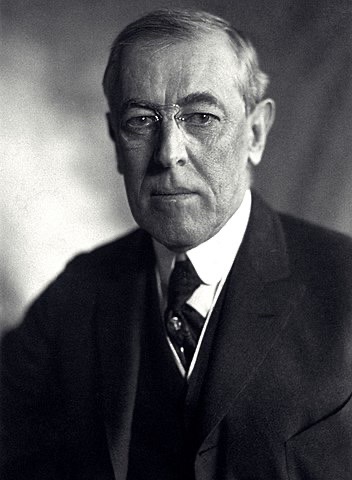
No, it’s not time for me to retire. Colleagues keep asking me to participate in a number of discussions and students ask for help, so I’m pretty sure there’s still some worked left for me to do. However, there are instances when it’s time for someone to retire, and that can be people doing simple jobs to someone who is President of the United States. A case in point was Woodrow Wilson.
Wilson was the 28th President (1913-1921.) He had tried to pass a number of progressive pieces of legislation from the Federal Reserve Act to the Keating-Owens Child Labor Act, but he was forces to divert much of his agenda because of World War I (1917-1918). At the end of the war, he went to the Paris Peace Conference, and signed the Versailles Treaty in June, 1919, which included the League of Nations. The League was Wilson’s pride and joy, and he returned to the US expecting that the Senate would happily pass it. He was sadly mistaken. Many Senators believed that the League would require the United States military to become involved in other military actions, and having just ended what they expected would be the “war to end all wars” they did not want to become any part of it. Wilson went to work to get it passed.
President Woodrow Wilson
To that end, in September 3, Wilson and his wife, Edith Bolling Galt Wilson began a train tour throughout the western states during which he would hold rallies and speeches in 29 cities. At his speech in Pueblo, Colorado, on September 25, he began to slur his speech and wobble. His doctor, RAdm Cary Grayson, USN, convinced him to end his tour and they returned to the White House ASAP. On October 2, his wife found him on the floor in the bathroom. Wilson had had a stroke due to a blocked artery, paralyzing his left side, causing serious vision problems, speech issues and slowed his judgment. The following day, newspapers across the country announced that he had become ill, and needed a period of serious rest.
By October 6, Secretary of State Robert Lansing held a Cabinet meeting–almost never down without presidential permission. They had not seen or heard from Wilson for over a week and were getting very concerned. They finally got ahold of Dr. Grayson who, in the most careful terms, said that Wilson was fine, but ill and needed rest. Lansing knew that Grayson was lying through his teeth, but with both both Wilson’s family and doctor all in sync, there was nothing he felt he could do. After that Grayson made sure to speak to the press frequently, telling they that Wilson was definitely getting better. Of course, there was a constant rumor mill suggesting everything from Wilson being at death’s door to Wilson having become completely insane.
His wife, Edith, made sure that no one saw Wilson. Anyone bringing him papers would have to leave them with her. She would then read them, and if she decided it was important she would read them to her husband. She would then have the papers delivered, often with scratchy comments in the margins that looked nothing like Wilson’s handwriting, and his signature which looked very feeble.
Edith Bolling Galt Wilson
Naturally, Edith, Grayson, and Wilson’s private secretary (now we call it the chief of staff) Patrick Tumulty knew that he needed to be seen, at least occasionally. An opportunity arrived on October 30, when King Albert I of Belgium and his wive, Queen Elizabeth, arrived in Washington, D.C., on a tours in the US. Normally a president would greet such a dignitary at the steps of the White House. This time, the King and Queen were escorted into Wilson’s bedroom where he was propped up on pillows, with his left arm, the one which had been paralyzed, gracefully covered by a blanked. The conversation lasted about 15 minutes. The Belgians left wishing him a speedy recovery and later told the press that the President seemed to be on the mend.
Congress was not convinces of that, and became more concerned as every week went by. Things came to a head in December, when the Senate Foreign Relations Committee pointedly asked Lansing when he had last spoken with Wilson. Lansing had to tell them that it hasn’t been since September. Members of the Senate started discussing setting up a formal enquiry, so to try to prevent that, the White House set up a meeting between Wilson and Senators Albert B. Fall (R.,NM) and Gilbert M. Hitchcock (D.,NB) on December 5. Both Senators visited Wilson in his bedroom. When Fall told him that they were praying for him, Wilson quipped “Which way?” The President said little more during the 40-minute meeting. He was lucky–Fall was a great talker and asked very few questions. Fall and Hitchcock’s visit were all over the newspapers, and kept the Senate at bay, but Lansing was still steaming. He knew full well that Wilson was truly unable to do his job, he but didn’t have any way of moving Wilson aside and have Vice President Thomas Marshall take the wheel.
Secretary of State Robert Lansing
Wilson did gradually improve, though he always needed to walk with two canes. He did attend some cabinet meeting in April 1920. The most important change was Wilson’s mental acuity. He had been an excellent political strategist, often finding good compromises, and changing course when change was warranted. After the stroke, however, he became adamant. He refused to even consider other options. Things needed to be done the way he wanted it. And because he was so insistent, and refused to compromise, the Senate refused to pass the League of Nations. We might have had a very different world if he had not bee so obstinate. But we’ll never know. He left the White House on March 4, 1921, and died in Washington, D.C. February 3, 1924.
–Epilogue
Given the current disaster in Afghanistan, and what we have seen and heard since April, 2021, one might seriously wonder if perhaps President Biden, who had two life-threatening brain aneurysms, which can definitely cause issues, may, like President Wilson, not be up for the work which is needed right now. Just a thought.
A quick update on the disaster in Kabul. Regardless of the tiptoeing around by those inside the beltway, the military is doing everything possible to bring everyone home–and would be doing much more if it was allowed by the cookie pushers in charge (aka careerists who talk a good game but are afraid to buck the system when necessary) Not only is it active-duty military, but veterans as well are doing everything they can to get the people who worked with them to safety.
This is my 100th post, and I had planned to write something completely different. But things can change in the blink of an eye, so I hope you won’t mind my personal thoughts on what’s going on in Afghanistan as someone who grew up with Marines, and has been a military historian for 45 years.
First, let’s define the phrase “dereliction of duty.” Basically it’s either deliberately refusing to perform one’s duties, or being incapable on some level of performing his/her duties. If you want to read the specifics, take a look at Article 92 of the Uniform Code of Military Justice. As Commander-in-Chief of the US military, the President of the United States is in charge of overseeing all diplomatic and military missions. My personal belief is that the President has been derelict in his duties in the drawdown in Afghanistan.
The problem is not whether or not we should leave Afghanistan. Presidents of both parties have wanted to leave, though keeping s small residual force to provide intelligence and avoiding a resurgence of al Qada. The problem is HOW we’re leaving. We are in the middle of an unmitigated disaster which the President brought on his country. Specifically, our military, our civilians in Afghanistan, the translators and other Afghanis who worked with the Americans, our NATO allies who fought (and died) alongside us. And the Afghan women and girls who have become doctors, nurses, journalists, teachers, lawyers etc., are now being send back into the Stone Age. (And if that weren’t bad enough, in the cut-and run orders, we left billions of dollars in in weapons from bullets to night vision goggles, to helicopters.) He received numerous intelligence estimates for months., and much the same from high-ranking officers in both the Pentagon and State Department.
He was tole that if he wished to draw down from Afghanistan, there’s a reasonable way to do so. You quietly start taking out our civilians first. Then you quietly start taking out the Afghanis and their families who worked with us. You make sure that our allies are getting their people out, then the few remaining embassy personnel. Only then does our military leave.
Instead the C-in-C has left tens of thousands of people stuck in Kabul and other parts of the country. The military was ordered to leave immediately–including Bagram Air Base–the safest and fastest airport to use. Then, when it became clear that the Taliban were in charge, the State Department told the Americans and Afghan partners to get to the Hamid Karzai Airport in Kabul. Of course, they would have to get through Taliban check-points and through the gates which are help by the Taliban. This entire debacle has little to do with military options. The decision was made for purely political reasons–and even that isn’t working out the way it was expected.
If you don’t believe me, ask a friend who’s spent time in the military. I did an informal pole this morning with several of them–including a Marine who’s been a second lieutenant for all of two months–and every one said that this drawdown was an obvious disaster from the beginning. Or take a look at the Wall Street Journal or The Washington Post or the Examiner. You can look at Reuters or the AP or the Daily Mail online. Maybe watch some of the discussions in the British Parliament on Wednesday evening. Go online and listen to what Emmanuel Macron of France, Angela Merke of Germanyl, or even Prime Minister Draghi of Italy. It’s the same everywhere.
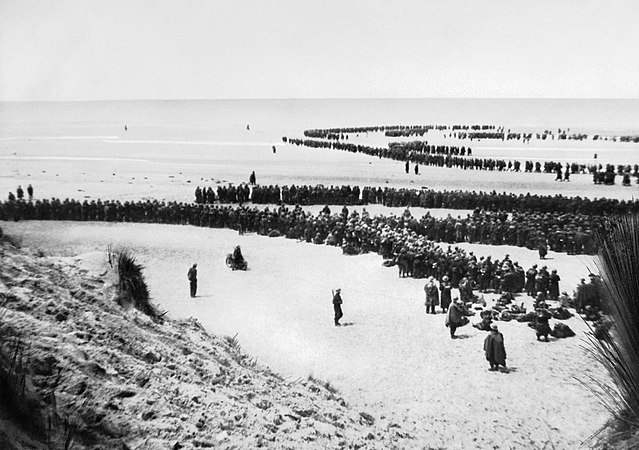
Think about Wake Island. Chosin Reservoir. The burning of the Capital during the War of 1812. Americans have lost many times. But we have never run away. No president has ordered our men to leave. And that’s why I believe that he had been derelict in his duty, and should resign.
August is the 107th anniversary of the commercial opening of the Panama Canal. It was initially discussed in 1513, when Vasco de Balboa was the first to walk across the Isthmus of Panama and people began thinking about ways to build a canal from the Atlantic to the Pacific. Yet it wasn’t until the 19th century that any serious work began.
Recently you may remember I was talking about Ferdinand de Lesseps who built the Suez Canal which began operations in 1869. Well, a few years later he decided that it would be a great ideal to build a canal across the Isthmus of Panama. In 1876 he set up La Societe international du Canal interoceanique. He received a concession from Colombia, of which Panama was a province in those days, and set to work.
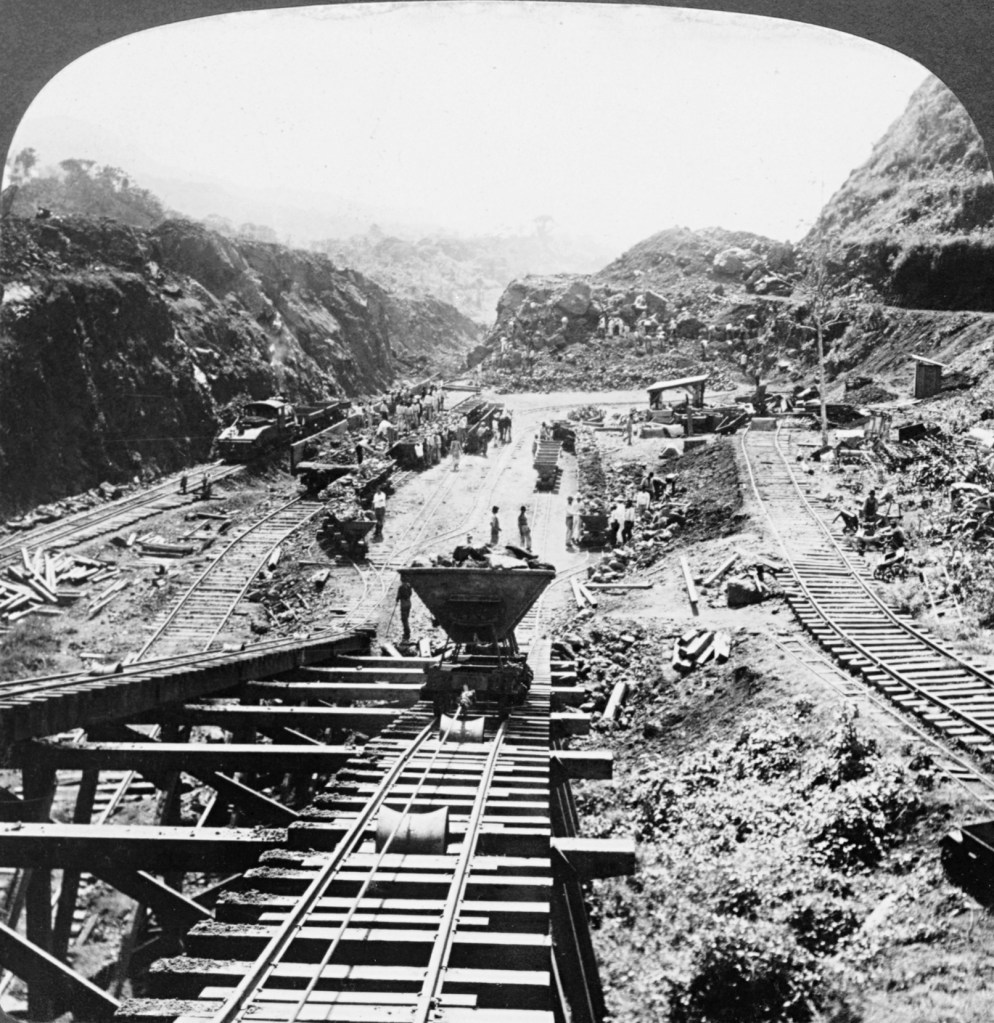
De Lesseps believed that he would again be able to build the canal at sea-level, but he wasn’t an engineer. He didn’t realize that even at the best spot to do the work it was still more than 360 feet above sea level. In addition, they also and would have to divert several rivers, the largest of which was the Chagres. And on top of that, malaria and yellow fever were rampant. Regardless, work started on January 1, 1881, and by 1888 40,000 men were toiling away at various parts of the canal. Sadly, between 1881 and 1888, 22,000 men had died, largely from malaria, yellow fever, and accidents. The company went bankrupt in 1889, and while de Lesseps tried to start over in 1894, the new venture failed within a year. Millions of cubic yards of dirt, and hundreds of buildings, machinery, even trains, were left to the mosquitoes. But not ten years later, work on the Panama Canal was well on its way to completion.
Panama Canal under construction, c. 1910
What happened was a combination of a break-away of Panamans from Colombia, and President Theodore Roosevelt. He believed that it would definitely be in the US strategic interest to have a canal so that ships could sail from the the east to the west of the US in a matter of weeks (less than a week these days), rather than having to take at least three months to sail all the way around Straits of Magellan. Negotiations between the US and Colombia resulted in the Hay-Herran Treaty in early 1903, but the Colombian Senate did not sign it. At that point, the Panamanians who were trying to break away from Colombia took the advantage to declare it’s independence on November 3, 1903. On the 18th of November, they signed the Hay-Bunau-Varilla Treaty before the Colombian military could even get their troops to either Colon or Balboa.
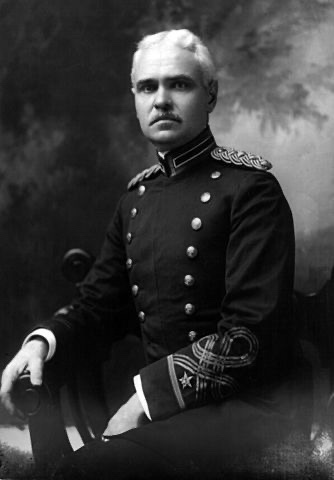
General George W. Goethels
By May 1904 the Isthmian Canal Commission was up and running. John F. Stevens, the engineer who had built the Great Northern Railroad took charge. He immediately started rebuilding the houses, cafeterias, hospitals, old water system, repair shops and trains that de Lesseps had left. In 1907 Stevens resigned, and then-Colonel George W. Goethels took over. He had graduated from West Point in 1880 and served in the Corps of Engineers. Under his watch, the canal was built with locks, which would raise and lower ships 85ft above sea level allowing passage between the Atlantic and the Pacific. Ultimately, the men had excavated 170,000,000 cu. yds. of dirt, in addition to the 30,000,000 that the French had moved, the locks worked well, they had finished the massive Culebra (aka Gaillard) Cut and were proud of the fact that they had finished the canal two years earlier than expected.
William Gorgas
One of the reasons that the work moved along quickly was thanks to Colonel William Gorgas, an expert in tropical diseases. He had worked with Walter Reed to find the origin of malaria and yellow fever, so when ordered to Panama, Gorgas went to war against mosquitos. He oversaw the building of a state-of-the-art water system, fumigated buildings, installed thousands of screens, ordered that people use mosquito netting when sleeping, eliminated stagnant water, and sprayed for insect infestations. Though more than 5,500 workers died by the time the canal opened, it was a massive improvement from the days of de Lesseps. Since then, the US has expanded the canal, and has turned it over the Panama, but we should still thank all those visionaries.
Everyone who reads these posts knows that I read newspapers. It can be real newspapers, or on-line newspapers, but I read a lot of them from–left, right and center. You also know that I’m very concerned about Hong Kong. I haven’t said too much about Hong Kong recently because, frankly, I’m even more concerned about the US, but I’ll discuss that shortly. In the meantime, what I say on Friday was just so disheartening that I had to say something. And maybe the best thing to do was to actually show you. This was in the Wall Street Journal on Friday, July 23. Front page, above the fold. I also included the very short piece that was on page 7.
Should I calm down because it won’t happen here? Some of my family members do. But then my friends from Cuba and Venezuela and Czechoslovakia (now the Czech Republic) disagree with them. They suggest that we we need to start careful attention. What do you think?
(It will be very interesting to see how many bots and other groups from the CCP–and there definitely are some–take a look at this)
The Olympics will be starting in just a few days–fingers crossed. It will be a very different Olympics due to covid-19, but if it’s held, it will be wonderful to be able to watch the best athletes in the world compete. There are the games that so many of us watch–gymnastics, track and field and swimming–but there are so many more, like archery, canoeing, fencing, shooting, water polo to name just a few. The modern games were first held in 1896, so it’s interesting to find out about some America’s early athletes.
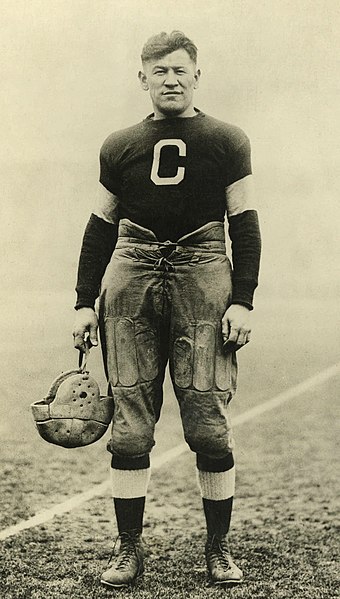
James Francis (Jim) Thorpe 1887-1953
The first one I thought of was James Francis (Jim) Thorpe. A member of the Sac and Fox nation, he attended the Carlisle Indian Industrial School in Carlisle, PA, where he played football as you can see above, and was a two-time member of an All American football team. In 1912, Thorpe was a member of the American team that went to Stockholm, Sweden to compete in two new events–the decathlon and the modern pentathlon. Just a few minutes before he was supposed to participate in the 1,500- meter run, someone stole his shoes. He managed to find a mismatched pair and ran in them. He won the Gold. And went on to win the Gold in the pentagon. In addition to those medals, King Gustav V of Sweden presented him with the challenge prize for the decathlon, and Czar Nicholas II of Russia presented him with the challenge prize for the pentathlon. He went on to play baseball from 1913 to 1919, and football from 1922 to 1928. He had hoped to transition to announcing, but the Great Depression ended that. Like so many others he worked at a number of menial jobs until his death from heart failure in 1953. He is in the Pro Football Hall of Fame, and you can visit Jim Thorpe (the actual name of a town) which is one of the nationally ranked best small towns in the US.
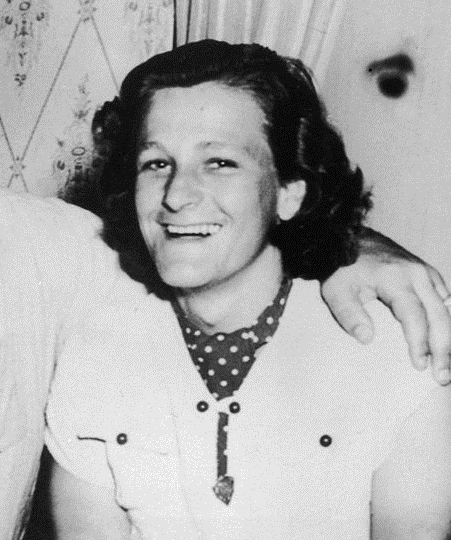
Mildred Ella (Babe) Didrikson Zaharuas 1911-1956
Another American Olympian was Mildred Ella Didrikson–aka Babe. She grew up as an extremely athletic child, playing baseball with a passion. After high school she played basketball for the Golden Cyclones which won the national AAU title, and she was named All-American twice. Didrikson attended the AAU national track and field championships in 1931 where she won five of the eight events she entered. The following year, she was part of the women’s American team to the Olympics in Los Angeles, where she won the Gold in the 80-meters hurtles, the Gold in the Javelin, and the Silver in the high jump. At the time, many said that she would have won more medals, but in the ’30s, women were only allowed to participate in three events. Eventually, she became a very serious, and outstanding golfer, who’s live was cut short when she died of cancer in 1956.
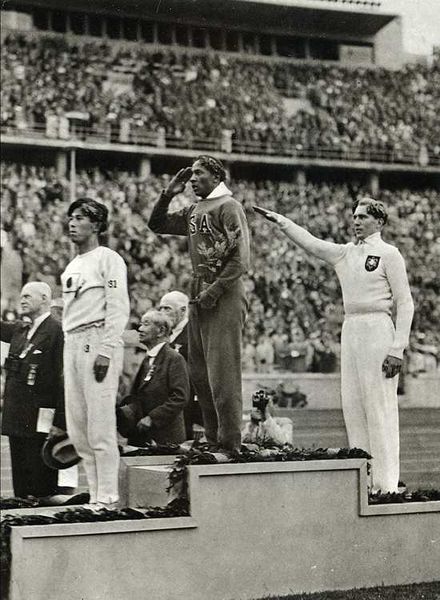
James Cleveland (Jesse) Owens, 1913-1980
Many of us remember James Cleveland (Jesse) Owens. From a very early age, Owens had a passion for running and his Junior High School track coach gave him a wonderful foundation. In high school, he attended the National High School Champions in Chicago, where he broke the world record of the 100-yard dash and the long jump. He attended Ohio State University, where he was called the “Buckeye Bullet” because of his speed. He won four individual NCAA champions in 1935, and another four in 1936. And then came the Olympics in Berlin. On August 3, he won the Gold for the 100-meter dash. On August 4 he won the Gold for the long jump. On August 5 he won the Gold in the 200-meter sprint. And finally, on August 9 he won the 4 by 100 sprint. There are differing opinions as to whether or not Hitler spoke to Owens. However, when the American Olympians arrived in New York, Mayor Fiorello LaGuardia greeted him warmly before the massive ticker tape parade up Broadway. Unfortunately he, too, had to deal with discrimination for years after his triumph.
Unfortunately life after the Olympics wasn’t just wonderful endorsements and motivational speaking. Live has changed dramatically over the following 80 years. To learn more about these amazing athletes and their lives after the Olympics, you might take a look at some of these books.
Immediately after 9/11, I had a constant stream of phone calls from friends and students. As an historian they all wanted to know if I thought it was a good idea to go in to Afghanistan. Remember, as an historian, I’m not involved in current military affairs, but historians do have some basic knowledge of what has worked over the years and what didn’t. My personal thoughts, and those of a number of my peers, were: go in fast, make your point (don’t even think about hurting the US ever again) using overwhelming force, and get out–fast. Nations have tried to control Afghanistan for millennia–including Alexander the Great, the Umayyad Caliphate, Genghis Khan, the Timurid Empire, the Mughal Empire, four British involvements and the three Soviet invasions. Ultimately they all failed, leaving the country with a loose confederation of warlord/tribal leaders.
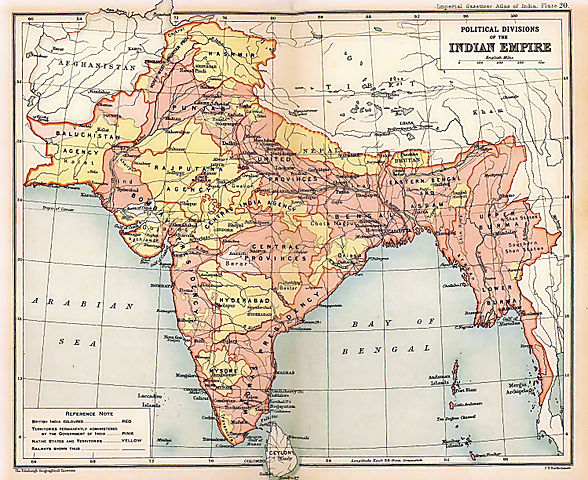
One of the worst episodes I can think of was the 1st Anglo-Afghan War, 1838-1842. After the Napoleonic War, Great Britain and Russia competed in what was called the Great Game for influence in Central Asia. Russia hoped to have serious influence in Persia (Iran), and Great Britain wanted to maintain control in India. To do that, the Brits believed that a loose confederation of warlords would provide a good buffer to keep Russia out of India. In 1837, the British made a deal with former Shah Shuja in which they would support his return to Kabul, and once things were stable, the British would move back to India. By December 1838 39,000 British and Indian troops entered Afghanistan, though they were stunned by the brutal weather. After some initial resistance from Afghan tribes, they reached Kandahar in April 1839. Shah Shuja arrived shortly after to the delight of his followers. From there they made the extremely difficult trek to Kabul.
What the British didn’t known was that Shah Shuja was roundly disliked in Kabul, and there were serious issues between him and numerous tribal leaders. In addition, the British Assistant Envoy, Sir Alexander Burnes was a carouser and drinker and he was roundly despised by most Muslim Afghans. Nonetheless, on the surface, things seemed calm, allowing over 25,000 Indian and British soldiers to depart. They also allowed families to join those who had stayed in Kabul in the hope of boosting military morale. By the end of the of 1840, roughly 8,000 men remained to assist the Shah. That was the calm before the storm.
British and Indian troops in Kabul, 1842
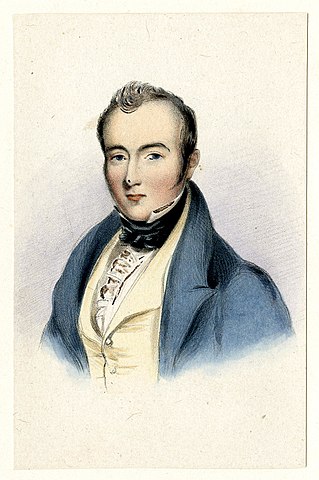
Small pockets of unrest started cropping up in 1841. On November 2, 1841, rioters attached Burnes and two other officers when they tried to leave his house incognito. People throughout the area expected immediate retribution, but when it didn’t come–from either the British or Shah Shuja–problems escalated rapidly. The political agent in Kabul, Sir William Machaghten, tried to calm things down by providing the tribal leaders with significant amounts of money, but even that could only go so far. The British understood that it was time for them to leave, whether or not the hoped-for buffer would hold. The terrible Afghan winter was fast approachingand and negotiations began on November 25. They basically got nowhere. Dost Muhammad, one of the major warlords offered to discuss the situation with Machaghten outside of Kabul. It was a trap, and Machaghten was dismembered.
Sir William Machaghten
The elderly, indecisive MajGen. William Elphinstone was nominally in charge, of the troops, but in truth, the retreat became a rout. On January 1, 1842, 4,500 British and Indian soldiers, nine field guns and 12,000 families and hangers-on frantically left Kabul. It was a disaster from the start. People were dying from the cold. Snipers from the mountain passes shot at will, and the British couldn’t fire back because they didn’t carry long-range weapon. Afghan guerrilla constantly harassed the stragglers. When those Indian and British troops who were left finally got to the Tangi Tarik Pass, the rear-guard action was annihilated by men from the Ghilza tribe. Only Elphinstone, his staff, 100 cavalry troops, about half of the 44th Foot, and a few artillerymen got through. Again, Dost Muhammen offered to negotiate with Elphistone (yet another trap) who found himself a prisoner. BGen. Thomas Anquetil was left in charge, and they ultimately made their last stand at Gandamak. The only men to reach Jalalabad were Dr. William Brydon and several Sepoys.
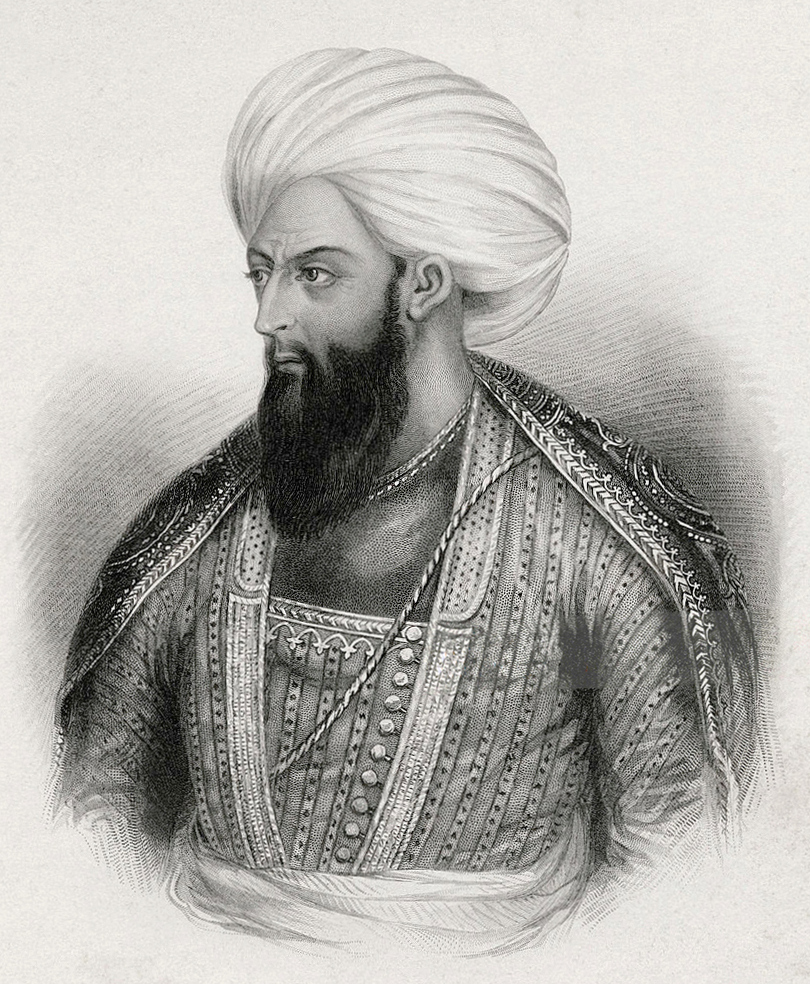
fCIRCA 1800: Dost Mohammed Khan Mohammedzai 1788-1863. Son of Painda Khan Ruler of Kabul 1826-39 1842-63 From a drawing by an Indian artist (Photo by Universal History Archive/Getty Images)
History can teach some very hard lessons. Just ask anyone of the people involved in wars in Afghanistan since Alexander the Great. In an effort to nation-build, to establish what we consider an appropriate central government with the necessary regional government, we have spent 20 years, trillions of dollars, and most importantly the lives of American and NATO men and women. We basically defeated al-Qada and had them on the run by early 2002. My peers will tell you, that’s when it’s time to leave. Americans are a good people who try to help everyone. Sadly we can’t do it all. Please think about that before doing any more nation-building.
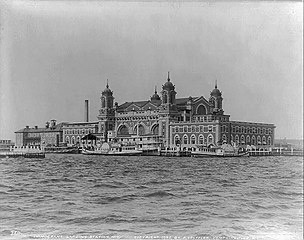
You know that I’m a newspaper nerd–both in paper and online–from a variety of points of view, left, right and center. Add to that that I watch the nightly news from several different outlets–again left, right and center. So it’s not surprising that last Friday I watched the Vice President’s visit to the US border at El Paso. One of the sound-bites came from Congresswoman Veronica Escobar (D-TX) who called El Paso the New Ellis Island. Hmmm. I’ve spent a lot of time over the past 50 years learning about Ellis Island–the original Ellis Island–and teaching about Ellis Island. My entire family–nuclear and extended–were immigrants who came through Ellis Island. Immigrants build this country. We welcome them with open arms. But I see significant differences between what went on in Ellis Island and what is going on in the Rio Grand. So, why don’t we take a look at the original Ellis Island.
Throughout the 19th century, immigrants arrived in the US by ship. The majority of them arriving in New York, and originally landing at Castle Island on the tip of Manhattan. But by the late 1880s the number of people arriving every day was too much to be dealt with in Manhattan, and it was decided to move everyone to Ellis Island. It opened on January 1, 1892, to strict standards. When ships arrived, inspectors would go aboard and give everyone individual tags with the appropriate information including the ship’s registration. Immigrants would then go ashore, and wait in massive lines–sometime for hours, and sometimes for days, even weeks. The first people they spoke to were medical inspectors. Anyone with physical or mental issues went to the doctors for further tests. Sometimes they spent time in the hospital until it was safe for them to go “upstairs.” Sometimes they were deported.
Hospital at Ellis Island
“Upstairs” was where other inspectors would match the information on the immigrant’s tags with the ships manifest, and ask a number of questions. Where did they come from? Could they support themselves? What was their name? Often the inspectors didn’t understand the name, or didn’t know how to spell it, so today many Americans’ surnames are shortened or spelled differently from the way their ancestors’ names were spelled in the “old country.” If all went well, they were free to go. They would start by taking one of the ferries that went to New York or New Jersey. Some stayed. Others moved throughout the country. However, people who were criminals, polygamists, had “loose morals,” were anarchists, had medical issues like TP, or who could not support themselves, were deported on the next available ship headed to their home country.
The government made all of the standards for immigrants very clear to all of the steamship lines. They were expected to have their own inspectors in the countries of origin, where they would screen the immigrants for health, morals and finances even before boarding. If a company did not have the proper inspectors, and someone managed to sail anyway, they would be deported immediately upon arrival, the company would be fined $100 ($3,300 today) and would also have to pay for the person’s passage home.
Over the years, Ellis Island was frequently expanded. After a massive fire in 1897 it was completely rebuilt as a “fireproof” building. (If you visit today, you’ll see it’s largely made of tile, brick, glass and iron.) They expanded kitchens, dormitories, a 250-bed hospital with a psychiatric ward, baggage conveyers, a ticket agency, and a small recreation area run by the Red Cross. Immigration fell to a trickle during World War I, when it was used to detain suspected aliens, and later was used for wounded soldiers. It reopened in 1920, but between the 1924 Immigration Act, and the start of the Great Depression in 1929, immigration fell dramatically. Ellis Island received a significant upgrade in 1934 with work done by the Works Progress Administration and in World War II, the US Coast Guard set up a base in Ellis Island. In addition, the Island also detained combatants during the war, and cared for wounded US soldiers.
Though Ellis Island reopened in 1947, it would have been far too expensive to properly upgrade the aging structures. By 1954, the last of the facilities had been moved to Manhattan, and the island gradually decayed. It wasn’t until 1976 and the hundredth anniversary of Declaration of Independence, that thoughts turned to rebuilding Ellis Island which is now a federally owned island, part of the Statue of Liberty National Monument. If you have the opportunity to visit, it’s well worth doing.
So I went back and did a deeper dive into not just El Paso, but much more importantly, the epicenter of immigration that’s taking place, and that’s around the Rio Grand. It’s also worth investigating Fort Bliss, where so many unaccompanied minors are living. It did take a little work, because we rarely see that information in news like The Washington Post or CNN. But it’s there if you look. And I hope you do, and come to your own decision, because the current borders are nothing at all like the real Ellis Island.










 Historical Lense