Several readers have asked me my personal thoughts—here you go.
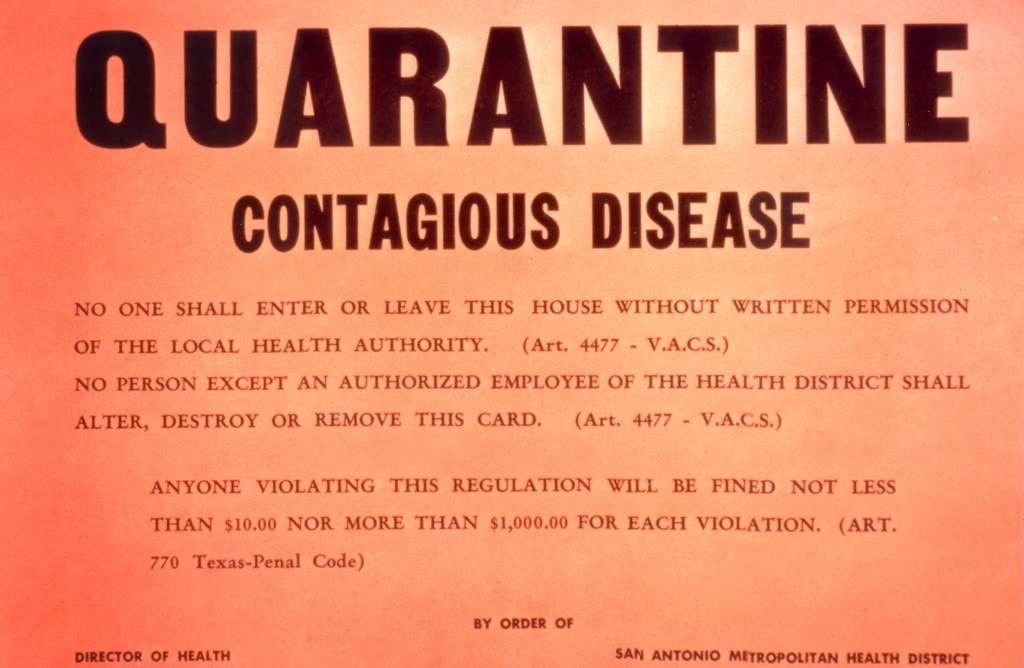
Now that we’ve examined both supply chains and Intellectual Property (IP) theft—what do we do? In the short term, follow the guidelines of our Governors, and the wonderful Drs. Fauci and Birx. We’re all bored and stressed, and it’s doubly hard for parents with children. But we need to stay home and not add more pressure on nurses and doctors—as well as the truckers, pharmacies and supermarkets. Above all, wash your hands and don’t touch your face!! Take a deep breath. Take lots of deep breathes. And remember the gospel song based on Charles Tindley’s 1900 hymn, “We Shall Overcome.”
Now, for the long term. There are as many opinions as there are people. From small companies to massive conglomerates, from members of Congress to members of the clergy, from pundits to plumbers. Personally, I believe globalization is here to stay, and in many ways that’s a good thing. Since WWII, almost a billion people have moved out of grinding poverty. Amazing medical advances have allowed us to live longer with a better quality of life. (Think of it this way—I got the small box vaccine when I was a child. Today it’s eradicated. Penicillin was just becoming commercially available in the late 40s. We’re now on the fifth generation of antibiotics. Almost everything has changed in medicine.) And technology has made incredible strides in communication and trade. Think Internet and everything that’s come with it.
About 25 years ago I had a conversation with one of my former grad students who asked me what I thought our major global challenge would be in the future. There were so many to choose from.😠 Ultimately, I told him that I thought the real problem would be China. That surprised him. We periodically catch up, and a while ago he, sadly, agreed with me. Today, no more kicking the can down the road. We’ve already discussed moving strategic supply chains home, and refusing to hand over certain Intellectual Property, even if it costs more to build parts or drugs elsewhere. We must not be at the mercy of China!
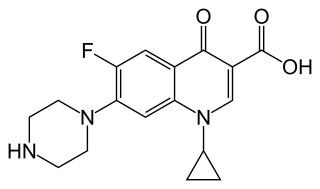
For 20 or so years, it’s been easier and cheaper to manufacture things overseas. Who’s at fault? There’s plenty of blame to go around. Why hasn’t the federal government maintained stockpiles of the APIs (active pharmaceutical ingredients) and their chemical building blocks? Equally, possibly more important, why haven’t states kept their own stockpiles of equipment? Hospital groups and large pharmacy chains (we know the names) didn’t demand this from government or state agencies. Of course these private groups could, and should, have maintained at least some of the most vital drugs and medical equipment themselves. I can only be partially aggravated with US pharma. It literally costs billions of dollars and many year to develop new drugs, and only a few of them actually work. They take massive risks…they’re entitles to some rewards. But not by making the drugs overseas❗️And finally, until quite recently the FDA had two speeds—slow and stop. It’s only when facing a disaster that they are finally doing what they should have done all along.
Those are good questions. I wish I had good answers 😖 What I do know is that if we just sit around twittering and waiting for someone to do something, nothing will change. So do a little investigating—heaven knows we have the time—and start asking, no, DEMANDING, that our Representatives and Senator, major pharmacy chains, hospital groups and manufacturers, start changing the way we all do business. There will be all kinds of excuses, “We can’t do that because…” As an historian I know what this country can do when it sets its mind to it. As I mentioned earlier, there have been some initial improvements—some shifts in supply chains and crackdowns of Intellectual Property theft. However, we must hold the appropriate feet to the fire and get this done ASAP. God willing this will never happen again, at least in in our lifetimes—but something else will, and we must be in a significantly better position to deal with it when that day comes.



 Historical Lense