A quick update on the disaster in Kabul. Regardless of the tiptoeing around by those inside the beltway, the military is doing everything possible to bring everyone home–and would be doing much more if it was allowed by the cookie pushers in charge (aka careerists who talk a good game but are afraid to buck the system when necessary) Not only is it active-duty military, but veterans as well are doing everything they can to get the people who worked with them to safety.
Immediately after 9/11, I had a constant stream of phone calls from friends and students. As an historian they all wanted to know if I thought it was a good idea to go in to Afghanistan. Remember, as an historian, I’m not involved in current military affairs, but historians do have some basic knowledge of what has worked over the years and what didn’t. My personal thoughts, and those of a number of my peers, were: go in fast, make your point (don’t even think about hurting the US ever again) using overwhelming force, and get out–fast. Nations have tried to control Afghanistan for millennia–including Alexander the Great, the Umayyad Caliphate, Genghis Khan, the Timurid Empire, the Mughal Empire, four British involvements and the three Soviet invasions. Ultimately they all failed, leaving the country with a loose confederation of warlord/tribal leaders.
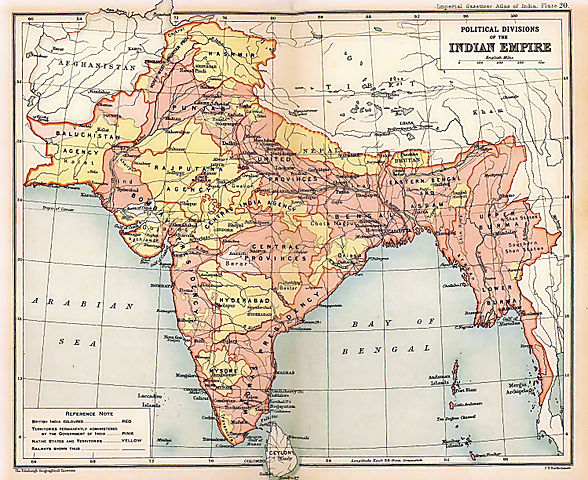
One of the worst episodes I can think of was the 1st Anglo-Afghan War, 1838-1842. After the Napoleonic War, Great Britain and Russia competed in what was called the Great Game for influence in Central Asia. Russia hoped to have serious influence in Persia (Iran), and Great Britain wanted to maintain control in India. To do that, the Brits believed that a loose confederation of warlords would provide a good buffer to keep Russia out of India. In 1837, the British made a deal with former Shah Shuja in which they would support his return to Kabul, and once things were stable, the British would move back to India. By December 1838 39,000 British and Indian troops entered Afghanistan, though they were stunned by the brutal weather. After some initial resistance from Afghan tribes, they reached Kandahar in April 1839. Shah Shuja arrived shortly after to the delight of his followers. From there they made the extremely difficult trek to Kabul.
What the British didn’t known was that Shah Shuja was roundly disliked in Kabul, and there were serious issues between him and numerous tribal leaders. In addition, the British Assistant Envoy, Sir Alexander Burnes was a carouser and drinker and he was roundly despised by most Muslim Afghans. Nonetheless, on the surface, things seemed calm, allowing over 25,000 Indian and British soldiers to depart. They also allowed families to join those who had stayed in Kabul in the hope of boosting military morale. By the end of the of 1840, roughly 8,000 men remained to assist the Shah. That was the calm before the storm.
British and Indian troops in Kabul, 1842
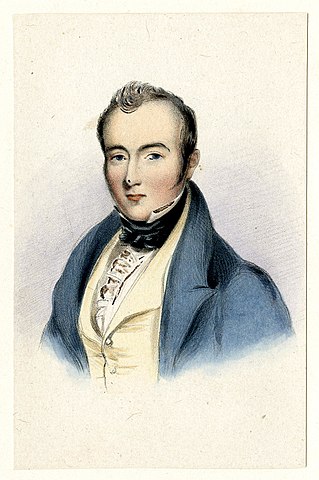
Small pockets of unrest started cropping up in 1841. On November 2, 1841, rioters attached Burnes and two other officers when they tried to leave his house incognito. People throughout the area expected immediate retribution, but when it didn’t come–from either the British or Shah Shuja–problems escalated rapidly. The political agent in Kabul, Sir William Machaghten, tried to calm things down by providing the tribal leaders with significant amounts of money, but even that could only go so far. The British understood that it was time for them to leave, whether or not the hoped-for buffer would hold. The terrible Afghan winter was fast approachingand and negotiations began on November 25. They basically got nowhere. Dost Muhammad, one of the major warlords offered to discuss the situation with Machaghten outside of Kabul. It was a trap, and Machaghten was dismembered.
Sir William Machaghten
The elderly, indecisive MajGen. William Elphinstone was nominally in charge, of the troops, but in truth, the retreat became a rout. On January 1, 1842, 4,500 British and Indian soldiers, nine field guns and 12,000 families and hangers-on frantically left Kabul. It was a disaster from the start. People were dying from the cold. Snipers from the mountain passes shot at will, and the British couldn’t fire back because they didn’t carry long-range weapon. Afghan guerrilla constantly harassed the stragglers. When those Indian and British troops who were left finally got to the Tangi Tarik Pass, the rear-guard action was annihilated by men from the Ghilza tribe. Only Elphinstone, his staff, 100 cavalry troops, about half of the 44th Foot, and a few artillerymen got through. Again, Dost Muhammen offered to negotiate with Elphistone (yet another trap) who found himself a prisoner. BGen. Thomas Anquetil was left in charge, and they ultimately made their last stand at Gandamak. The only men to reach Jalalabad were Dr. William Brydon and several Sepoys.
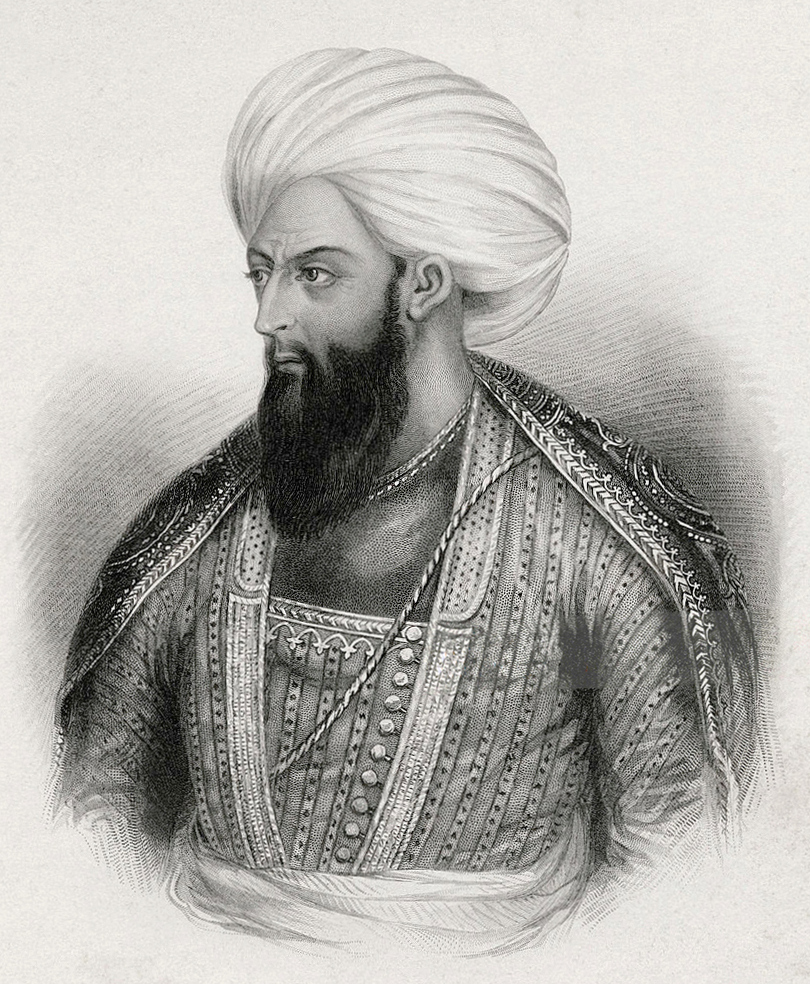
fCIRCA 1800: Dost Mohammed Khan Mohammedzai 1788-1863. Son of Painda Khan Ruler of Kabul 1826-39 1842-63 From a drawing by an Indian artist (Photo by Universal History Archive/Getty Images)
History can teach some very hard lessons. Just ask anyone of the people involved in wars in Afghanistan since Alexander the Great. In an effort to nation-build, to establish what we consider an appropriate central government with the necessary regional government, we have spent 20 years, trillions of dollars, and most importantly the lives of American and NATO men and women. We basically defeated al-Qada and had them on the run by early 2002. My peers will tell you, that’s when it’s time to leave. Americans are a good people who try to help everyone. Sadly we can’t do it all. Please think about that before doing any more nation-building.

 Historical Lense