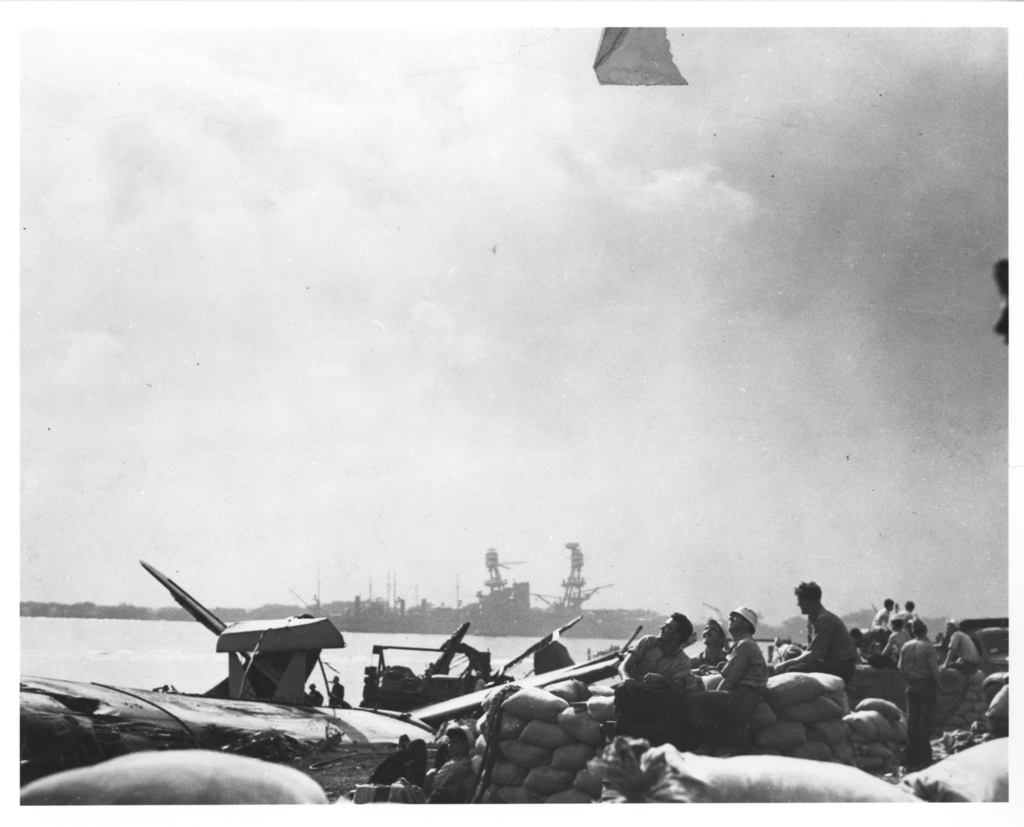
Pearl Harbor took place in the early morning of December 7th eighty years ago this week. All of us know at least the broad outlines of what happened that day. Even history-haters in school heard their teachers drone on about it. But if you somehow managed to avoid it, Google it!!! You’ll see the “before and after” of the ships on Battleship Row–the beginning of the US involvement in World War II. Rather than giving you a short course on Pearl Harbor, let’s take a look at one of the hundreds of men who fought at Pearl Harbor. Doris Miller

Doris Miller was born in Waco, Texas, on October 12, 1919, one of four children. He was named after the midwife who had assisted his mother–both ladies had expected he would be a girl!😳 Most of his family and friends ended up calling him Dorie. His parents owned a farm, and like most farmers, all four children worked on the farm when they weren’t it school, though Dorie did enjoy doing a lot of cooking for his mother. He was a fullback at Alexander James Moore High School, but left school to work with his father on the farm.

Miller enlisted in the Navy in September 1939, and went through the segregated Naval Training Center, Naval Operation Base at Norfolk, VA. After training he joined the USS Pyro, an ammunition ship. He transferred to the USS West Virginia in January of 1940. He started competitive boxing there, and quickly became the heavy-weight champion on the West Virginia. In July 1940 he was temporarily ordered to the USS Nevada to attend Secondary Battery Gunnery School, returning to the West Virginia that August.
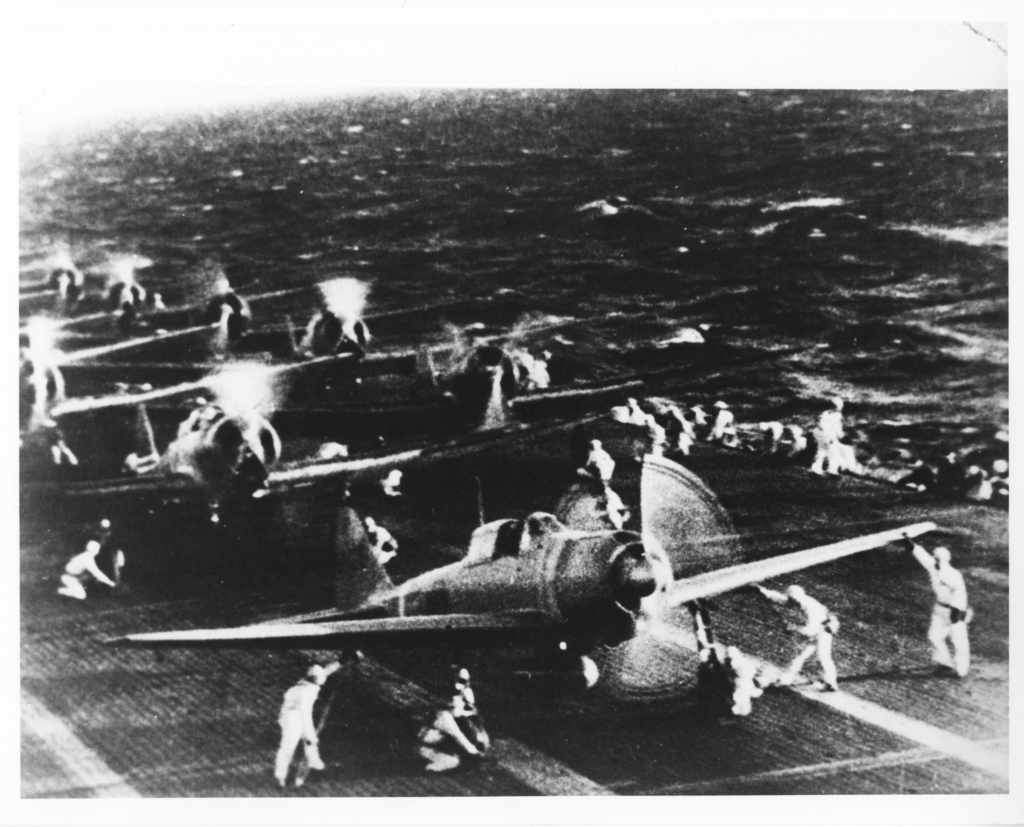
He was serving breakfast at 7:57 am when planes from the Japanese carrier Akagi fired the first torpedo to hit the West Virginia. Miller immediately went to his battle-station, an anti-aircraft battery magazine amidship. When he got there, he saw that it had been blown to smithereens. He then headed to “Time Square” to see who needed help. He joined Lt Cmdr. Doir Johnson to move the ship’s captain, Capt. Marvin Bennion, who had been catastrophically wounded, to a safer spot. Miller then joined Lt. Frederick White to load the unmanned 1st and 2d Browning .50 caliber anti-aircraft guns. White thought Miller would just feed the ammunition, but he briefly turned away to speak to someone, and when he turned back, Miller was firing the the gun. He downed at least two planes, possibly three, firing the gun until he ran out of ammunition.
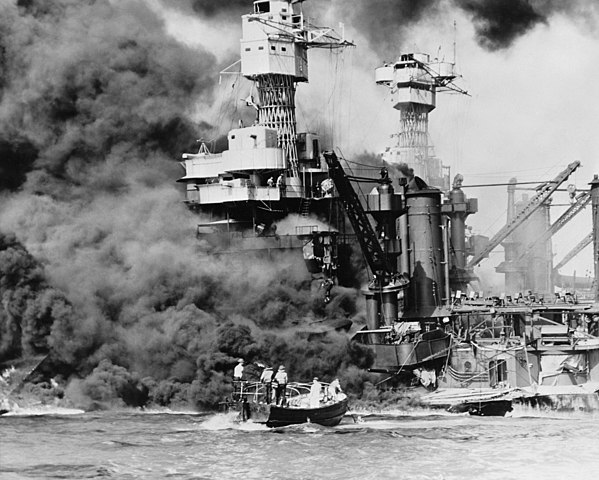
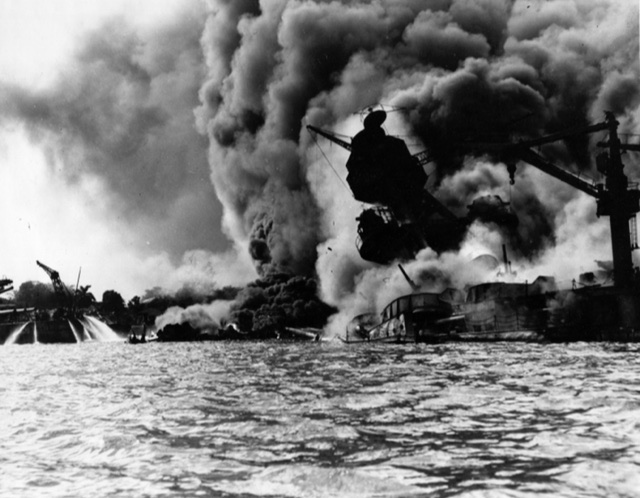
Finally, two Japanese armor-piercing bombs hit the West Virginia, and passed through the deck. Five additional aircraft torpedoes hit the ship. The crew managed to prevent the ship from capsizing–it sank upright in shallow water. Attacks from the Japanese planes slowed a bit, giving Miller the opportunity to carry many injured men to the quarterdeck. He also helped many of them to safely abandon the upright ship. In February, 1942, Doris Miller was the first Black American to receive the Navy Cross. Papers throughout the country called him “The First U.S. Hero of World War II.”
After Pearl Harbor, Miller reported to the USS Indianapolis, and later transferred to the escort carrier USS Liscom Bay, which, in November 1943, was sunk at the battle of Makin during the Gilbert Campaign.
In honor of Miller, the new Gerald Ford Class nuclear-powered air-craft carrier will be named the USS Doris Miller. It will be laid down on 2023, and will be launched in 2028.
🌹 Never Forget 🌹


 Historical Lense